

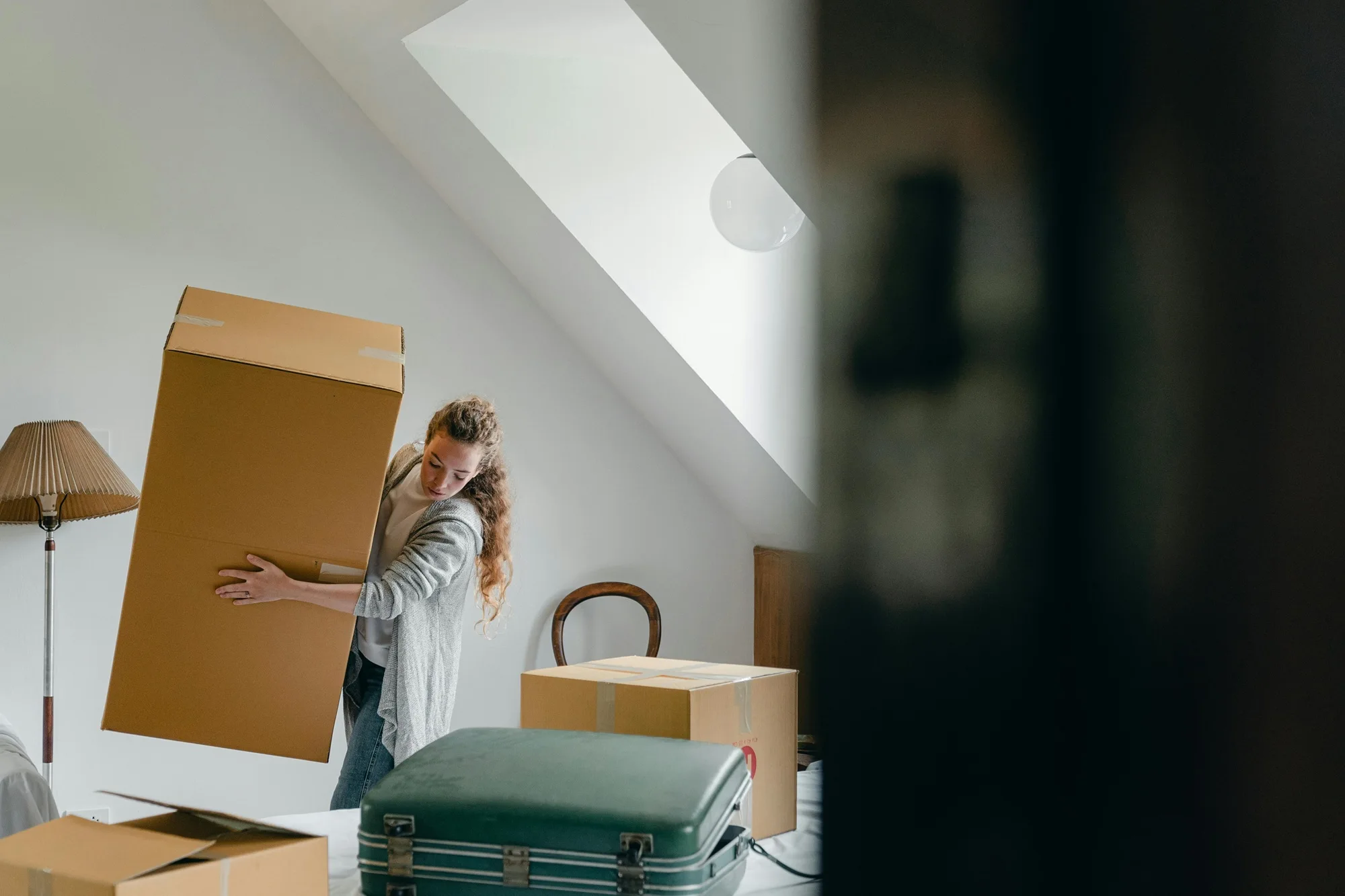


After months of planning and packing, you've finally moved into your new home. While the big day is behind you, settling in can feel just as overwhelming as the move itself. As your dedicated Chicago moving company, the team at Alliance Moving & Storage has helped countless families and individuals transition smoothly into their new spaces.
To help you transform your new house into a home, we've compiled a checklist of 21 essential tasks to tackle in the days and weeks after we've unloaded the last box.
Before we look into detail, here's a printable checklist of things to do after moving in:
.webp)
1. Check Over Your Boxes
Once the movers are gone, take some time to inspect all the boxes and furniture they delivered. You’ll want to confirm everything arrived safely and without damage.
- Look for any scratches or dents on furniture.
- Make sure all boxes are accounted for and in good condition.
- If you have an inventory list, double-check that everything arrived.
2. Set Up Your Utilities
Once you’re in, the next priority is making sure your utilities are up and running. Get in touch with your utility companies to ensure everything is ready to go.
- Electricity and gas: Confirm that these are activated and transferred to your name.
- Water: Double-check that your water service is working.
- Internet & cable: Set up your internet connection as soon as possible for convenience.
3. Unpack the Basics First
It’s tempting to dive into unpacking everything all at once, but it’s best to start with the essentials. Think about the items you’ll need right away to get by during the first few days in your new home.
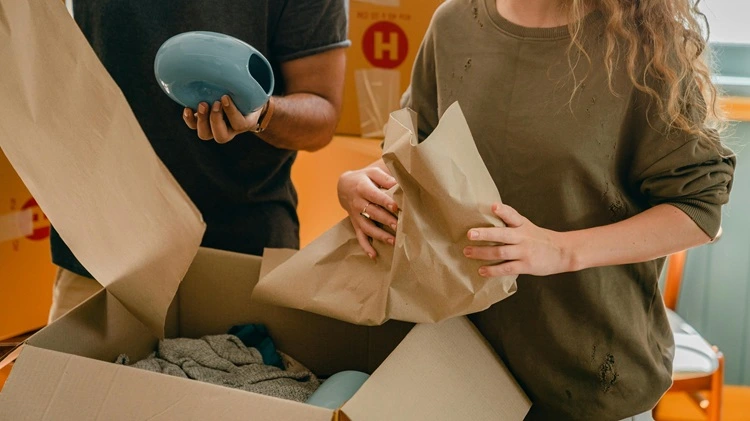
Here’s a list of things you should unpack first:
- Toiletries: Toothbrush, soap, shampoo, etc.
- Bedding: Pillows, sheets, blankets.
- Kitchenware: Plates, cups, silverware, and cooking utensils.
- Clothes: Unpack enough clothing for a few days so you don’t have to dig through boxes.
- Electronics: Phones, chargers, and any devices you’ll need.
4. Start Organizing Your Space
Now that the essentials are handled, it's time to think about organizing. We know this can be daunting, so don’t rush the process. If you have a plan for where things should go from the start, it will save you time and frustration in the long run. It can be tempting to just throw things wherever they fit to consider your move complete, but organizing your new home will make it feel more functional and comfortable.
To stay organized:
- Make a plan: Before you start moving furniture, sketch out a layout or use an app to visualize where things will go.
- Declutter: This is the perfect time to go through your belongings and get rid of things you don’t need.
5. Do a Walkthrough of Your New Home
Now that you have some of the basics out of the way, it’s time to do a thorough walkthrough of your new house. Take a few minutes to check for any issues, from leaky faucets to faulty outlets. The sooner you identify potential problems, the better. This allows you to take swift action before small problems spiral out of control.
Focus on these key areas:
- Plumbing: Check all faucets, toilets, and water pipes to make sure they’re working properly.
- Electrical: Flip switches to check if lights and outlets are working.
- General condition: Look for cracks in the walls, floors, or any other issues that need attention.
6. Locate Important Systems
It might not be top of mind when you first move in, but finding your fuse box and the main water valve is essential. If there’s an emergency, knowing how to turn off the power or water can be invaluable. If you don’t know where they are yet, take a few moments to locate them.
- Fuse box: Typically in the basement, garage, or utility room. Make sure it’s labeled properly so you know which fuse controls what.
- Main water shutoff: This is usually in the basement or near the house’s foundation. Make sure it’s easily accessible.
7. Make Sure Your Home Is Secure
Safety should always be a top priority when moving into a new home. Take a few extra steps to secure your space, especially if you're moving into a new neighborhood. Changing locks, installing security cameras, and securing your windows and doors are all great ways to enhance your home’s safety.
Here’s how we recommend making your home safer:
- Change the locks: You never know who might still have keys to your new home, so it’s a good idea to change all exterior locks.
- Install cameras: If you're comfortable with technology, consider installing security cameras for extra peace of mind.
- Check windows and doors: Ensure all windows and doors lock properly, and check for any potential vulnerabilities.
8. Secure Your Home for a Child
If you're moving in with young children, childproofing your home should be a top priority. New homes can come with new hazards that you may not have noticed before, so take the time to make sure everything is safe for your little ones. This small step can provide lasting peace of mind.
- Use outlet covers: These prevent your child from sticking their fingers into electrical outlets.
- Install safety gates: Block off stairs or rooms that could be dangerous.
- Secure furniture: Use furniture anchors to prevent heavy furniture from tipping over.
9. Set Up Major Appliances
Once you’ve taken care of the immediate needs, it’s time to set up your major appliances. Many large appliances, like refrigerators, washers, and dryers, need to be connected and installed. For some, you may need to hire a professional, but others can you can hook up on your own.
- Refrigerator: Ensure it’s plugged in and running before you start filling it with food.
- Washing machine/dryer: Ensure water connections are properly hooked up, and check that your dryer is venting correctly.
10. Continue Unpacking and Sorting
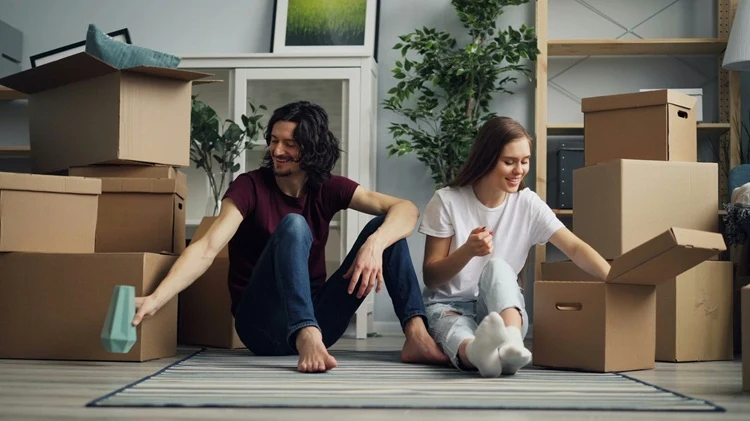
By now, the basics are taken care of, and your major appliances are set up. Take a moment to celebrate and feel good about your progress before you continue unpacking. Try to stay organized as you go along, and be sure to sort your things by category to keep everything easy to find.
11. Recycle or Repurpose Packing Supplies
Packing materials — like bubble wrap, cardboard boxes, and packing peanuts — can pile up quickly. Instead of letting them accumulate, try to recycle or repurpose them. Many of these items can be reused for storage or taken to a local recycling center.
12. Clean Your New Home
Even if the house was cleaned before you moved in, it’s still a good idea to give it a once-over yourself. This is your chance to clean every nook and cranny before you get too comfortable in your new routine.
- Wipe down surfaces, including countertops and shelves
- Vacuum or mop the floors to remove any dust from the move
- Clean the windows to let in fresh natural light
13. Take Care of Your Pets
If you have pets, don’t forget that moving can be a stressful time for them, too. Make sure to set up a cozy, quiet space where they can feel comfortable. Stick to their routine as much as possible to ease their anxiety.
14. Change Your Address
It’s time to officially change your address! Notify the USPS so they can forward your mail, and update your address with other important organizations like your bank, credit card companies, and insurance providers.
15. Choose a School for Your Kids

If you have school-aged children, start researching local schools to find the best fit for them. Take the time to visit schools in your new neighborhood and meet with staff to ensure it’s a good environment for your child.
16. Set Up Medical Providers
Moving to a new area means you may need to find new healthcare providers, including a primary care physician, dentist, or specialist. Make appointments to transfer your records and get established with new providers as soon as possible.
17. Take Care of Vehicle Registration
If you’ve moved to a new state or city, be sure to update your vehicle registration and driver’s license. Most states require you to register your vehicle within a few weeks of moving.
18. Review Your Financial Situation
Moving to a new home is a good opportunity to look at your finances. Review your mortgage, update your budget, and make sure your insurance policies are in order.
19. Add Personal Touches
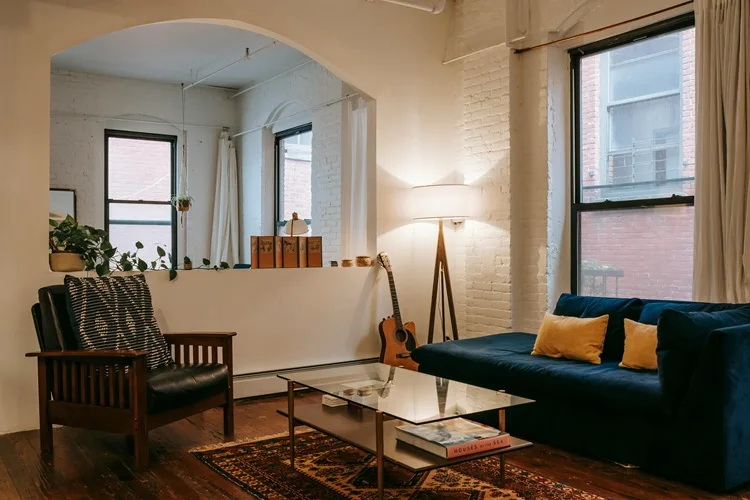
Now that you’ve handled the basics, it’s time to make the house feel like your own. Start decorating, hanging artwork, and arranging furniture in a way that reflects your personal style. This may be an ongoing process as you get more settled into your space.
20. Meet Your Neighbors
Getting to know your neighbors can help you feel more at home. Consider introducing yourself with a friendly gesture, like a small gift or a note. A little bit of effort can go a long way.
21. Leave a Review for Your Movers
Once everything is settled, don’t forget to leave a review for the movers you hired. A positive review helps others make informed decisions, and it’s a great way to thank the movers for their hard work.
Moving from/in Chicagoland? Let Us Help You!
If you’re planning a move, Alliance Moving & Storage is here to help make the process enjoyable! Our team of professional Chicago movers will ensure your move is smooth and stress-free. With outstanding service and affordable rates, you’ll quickly see why countless families and businesses trust our experts. Let us take care of the heavy lifting while you focus on settling into your new home. Reach out to us today for a free quote!


.jpg)