




Moving is never easy, but doing it later in life comes with its own set of challenges. For seniors, it’s about leaving behind a home filled with memories, figuring out what to take, and dealing with the physical side of it all. Whether you're heading to a smaller place, moving into a retirement community, or just want to be closer to family, this kind of transition takes planning, patience, and the right kind of support.
Here’s the upside: With some prep and the right people by your side, this move doesn’t have to feel overwhelming. In fact, it can even be a fresh start. The tips in this guide are designed to help make the entire senior moving process feel more manageable, protect the stuff that matters most, and help you settle into your new home with confidence.
Should You Consider Downsizing and Moving?
Before you start sorting through closets or calling movers, take a step back and really think about whether moving is the right call. Sure, the idea can be stressful, but staying in a house that’s become too much to handle could create bigger problems down the road. Use these questions as a starting point to figure out what makes the most sense for you or a loved one:
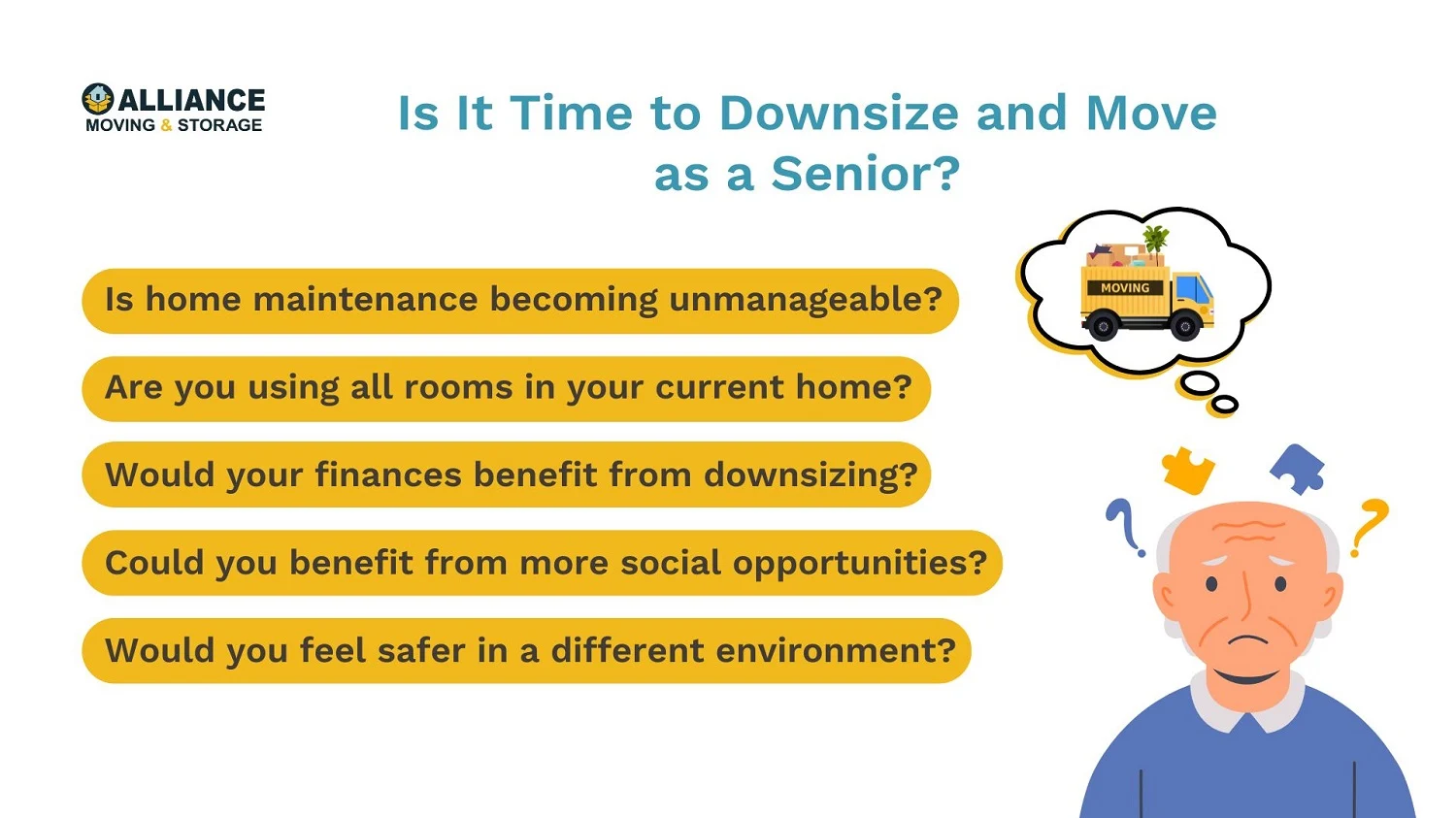
- Is home maintenance becoming unmanageable? If vacuuming, yard work, or just walking up and down stairs has started to feel like a full-time job, it might be time to find a space that fits your current lifestyle better.
- Are whole parts of the house going unused? Plenty of people end up living in just a few rooms while paying to maintain the entire place. That’s a lot of wasted energy and space.
- Could downsizing ease the pressure on your finances? Moving to a smaller home might mean lower utility bills, reduced taxes, and more freedom with your retirement savings.
- Could you benefit from more social opportunities? If you're experiencing isolation, moving after retirement might enhance your social connections when relocating to a community with built-in activities and same-age neighbors.
- Would you feel more secure somewhere else? Homes with single-level layouts, emergency response systems, and easier access to medical care can offer some peace of mind.
Take time to think through these questions, and talk them over with people you trust. And remember, this choice belongs to the person who’s making the move. Their comfort, safety, and independence should always come first.
Planning and Preparation
A solid plan is the key to making the moving process feel less chaotic and more manageable. The earlier you get started, the smoother things will go — especially for older adults who may need extra time to sort through years of belongings.
1. Create a Realistic Timeline
Give yourself a head start by planning at least 8 to 12 weeks before your move. This is especially important for long-distance or out-of-state moves. Use a detailed moving checklist to break things down week by week. That way, you're not scrambling at the last minute and can take your time working through everything at a comfortable pace.
2. Start with a Floor Plan of Your New Space
A floor plan may be the single most important thing you can have. It will tell you how much furniture you can fit and help you decide where everything will go before you step foot into your new home. Measure furniture and draw out a simple layout so you’re not stuck figuring things out after you arrive.
3. Take Photos to Recreate Your Favorite Spaces
Just because you're moving locally or heading across the country doesn’t mean you have to leave behind the spaces that make you feel at home. Take pictures of your furniture setups, shelf arrangements, and little touches that bring comfort. These photos make it easier to rebuild those same cozy vibes in your new place and help everything feel familiar as soon as you start unpacking.
Decluttering & Downsizing Tips
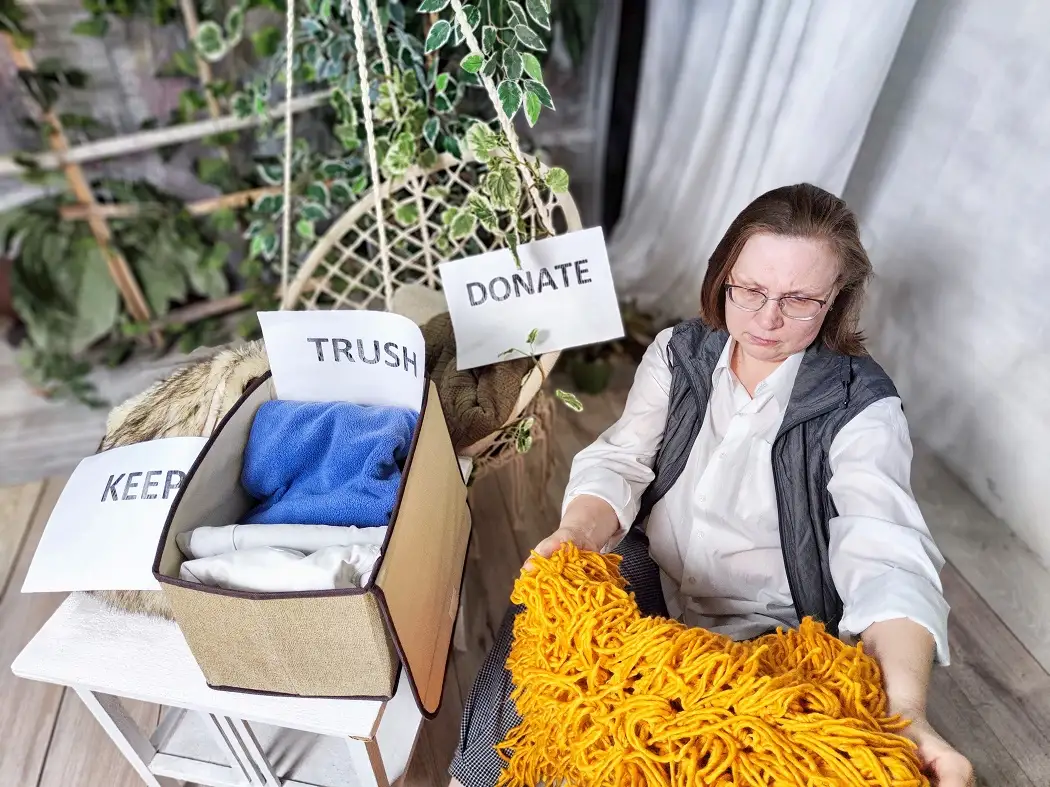
Sorting through a lifetime of possessions can feel like too much. But when you take it step by step, it becomes more doable — and even a little rewarding. The goal isn’t to rush through it, but to make thoughtful decisions along the way.
4. Begin in Areas of the House No Longer in Use
Tackle low-traffic areas first, like guest rooms or formal dining spaces. This strategy will be least disruptive to normal life and will help develop some momentum to carry you through other areas of the home.
5. Use a System and Stick with the One-Year Rule
Use colored stickers to identify which items you want to donate, which you want to give to family, and which ones you need to keep. Make a list of potential recipients and match up the items instead of coming up with different recipients as you sort through items one by one.
When you're unsure about what to keep, a good rule of thumb is to ask if you’ve used the item in the last year. If the answer is no, it’s likely something you won’t need in your next home. This simple approach is especially helpful for things like kitchen tools, clothing, old gadgets, and other everyday items that tend to build up over time.
For seasonal belongings, think about whether you actually used them the last time you had the chance. It’s a good time to leave behind items that are broken, worn out, or missing parts.
6. Digitize Memories When You Can
Boxes filled with old photos, handwritten letters, and saved newspaper clippings may take up space, but the memories they hold are priceless. Take some time to scan these keepsakes and store them in a digital format. Many modern services can quickly turn hundreds of printed photos into organized digital albums, making them easy to share with family while cutting down on the storage space they once needed.
7. Start with Large Items and Work Toward Smaller Ones
Sorting through large furniture first will create a sense of progress for senior citizens. This will make it easier to sort smaller items later on, as it will be clear what storage will be available in the new home. Choose the essential pieces you’re confident will work in the new layout.
8. Focus on One Area of the House at a Time
Dealing with an entire house can be overwhelming. Break it up into smaller chunks by focusing on one part of a room at a time, then move on to the next. A room-by-room strategy cuts down on stress, keeps the process from becoming disorganized, and allows you to see the results of your work more clearly as each part of the home gets sorted out.
Packing & Moving Day Preparations

After you’ve made decisions about what’s coming with you, the next step is preparing for the move itself. Good organization and planning will make moving day a lot less stressful.
9. Research Moving Companies
As you research potential movers, try to schedule in-home estimates instead of getting quotes over the phone. Ask if they’ve handled senior moves before, if they offer packing help, and whether they provide boxes or containers for fragile family heirlooms. Look for reviews that mention positive experiences with senior moving services specifically.
Remember to book movers well in advance, especially if you're moving during peak season (May-September). Many senior living communities have specific move-in dates and times, so coordinate this schedule early in your planning.
10. Transition Medical Records & Organize Important Documents
Moving to a new area also means getting your healthcare details in place ahead of time. Try to handle these important steps about six weeks before your move:
- Request your records: Reach out to all of your current healthcare providers and ask for complete copies of your medical history.
- Get referred ahead of time: Ask your current doctor if they can recommend any trusted providers in your new location.
- Stock up on medications: Make sure you have enough of your current prescriptions to last through the move and the weeks that follow.
- Transfer your prescriptions: Move them to a pharmacy close to your new home so there’s no gap in what you need.
- Update your insurance: Let your health insurance provider know about your new address and verify coverage in your new area.
Keep all important paperwork — including medical files, insurance policies, birth certificates, legal documents, and your housing contract — in one place. Use a sturdy, portable folder that’s easy to access during the move. If you’re doing a long-distance move, back up key documents digitally for extra peace of mind. Original versions can be stored in a safe deposit box until you’re settled.
11. Create a Move-Day Suitcase with Essentials for the First 24 Hours
Set aside a few outfits, a set of dishes, towels, and sheets for your first few days. Include a first aid kit and a flashlight or night light as well. This way, you’ll have what you need at your fingertips instead of having to dive into many different boxes to find what you need.
12. Let Professional Movers Handle the Packing
For many seniors, hiring professional packing services is a smart move. Skilled packers can get the job done in just a few hours, something that might otherwise take days or even weeks. They know how to properly wrap fragile items, pack boxes securely for transport, and reduce the physical strain that comes with packing everything yourself. It’s a safer, more efficient way to make sure your belongings are protected from start to finish.
13. Submit Your Change of Address Early
Roughly two weeks before moving day, take a few minutes to file a change of address with the postal service either online or in person. At the same time, make a list of everyone who needs your new contact info. This includes your bank, credit card companies, insurance providers, government agencies, utility companies, any subscription services, and of course, your family and friends.
14. Prepare for Safe Moving Day Logistics
To help moving day go smoothly, clear pathways in both your current and new home. Remove anything that could cause someone to trip and pay extra attention to weather conditions if you're moving during the colder months. Icy sidewalks or wet floors can be especially risky. Our movers take extra care with senior relocations and are trained to communicate clearly while keeping mobility and safety top of mind.
Settling In and Creating a New Home
Getting to your new home is just one part of the process — making it feel like your own is just as important.
15. Hire Help for Unloading & Unpacking
Moving crews can do more than load and drive the truck. Many offer unloading assistance, furniture setup, and unpacking support, all based on your floor plan. This can make the first day in your new place feel a lot less overwhelming. It’s especially helpful for seniors who may not have the energy or mobility to lift, carry, and sort through everything right away.
16. Stay Connected and Find Support
Once you’ve moved, it’s easy to feel a little disconnected — especially if you’ve relocated to a new community. Stay in touch with family members, introduce yourself to neighbors, or try out activities at a local senior center. Small steps like these help you feel more grounded and connected in your new surroundings.
17. Get Adjusted to Your New Neighborhood
Treat your new location like something worth discovering. Take short walks to get familiar with the streets, stop by local shops and restaurants, and introduce yourself to people along the way. If you’ve moved into a senior living community, make use of the activities calendar and shared spaces. They’re great places to meet others and get involved.
A New Beginning Is Easier with the Right Help

Relocating as a senior is more than updating your change of address. It’s a major life step that can bring real benefits — safer living conditions, fewer household responsibilities, new friendships, and a living space that finally suits your current needs and pace of life.
If you're getting ready for a senior move in the Chicago area or helping a loved one plan theirs, Alliance Moving & Storage is here to make the process easier.
As a reliable Chicago moving company with years of hands-on experience supporting senior relocations, we offer personalized solutions that cover every step of the move, from packing and transport to setup in your new space. Contact us today to schedule your free consultation and see how we can help.





.jpg)