


Moving furniture across state lines can feel overwhelming, especially when you're staring at a houseful of belongings and wondering how it will all get to your new home. The costs can add up quickly, and the logistics of coordinating everything often create more questions than answers.
Whether you're relocating for work, family, or a fresh start, understanding your options for moving furniture to another state helps you make smart decisions about your budget and timeline. Let's break down the most practical ways to transport your belongings during a long-distance relocation, so you can focus on settling into your new space instead of stressing about how everything will get there.
Choosing the Right Method to Move Furniture Long Distance
The method you pick for transporting furniture to another state shapes your entire moving experience. Each option comes with different price points, levels of convenience, and hands-on involvement.
Full-Service Movers
Hiring a professional moving company takes most of the physical work off your plate. These teams handle packing, loading, driving, and unloading at your destination. You'll pay more than other options, but you're essentially buying back time and energy.
Full-service movers make sense when you have large furniture pieces like king-sized beds, heavy wardrobes, or delicate items that need careful handling. The crews bring proper moving equipment and know techniques for protecting your stuff during transport.
Portable Moving Containers
Companies drop off a storage container at your current home, you load it on your schedule, and they transport it to your new address. This hybrid approach costs less than full-service movers while giving you flexibility on packing time.
Container services work well if you need extra time to pack or can't move into your new place immediately. The container can sit in your driveway for days or weeks, and some companies offer temporary storage if needed.
Renting a Moving Truck
A DIY truck rental is often the cheapest way to move furniture across country if you're willing to do all the heavy lifting yourself. You pack, load, drive, and unload everything.
This option requires stamina and help from friends or family. Factor in fuel costs, potential hotel stays for long drives, and the physical demands of moving heavy items. Truck rentals from companies like U-Haul give you control but require significant effort.
Freight Shipping
Freight services transport large items or palletized goods at lower rates than traditional movers. This works if you're shipping just a few big pieces rather than an entire household.
Freight shipping can be cost-effective for commercial moves or when you've sold most belongings and only need to transport select furniture. You'll typically need to drop off and pick up items at terminals rather than getting door-to-door service.
Key Factors to Consider Before Shipping Your Furniture
Choosing the best way to move furniture across country requires thinking through several important factors that will affect your experience and budget. Taking time to evaluate these considerations helps you select the method that works best for your specific situation.
Your Budget and Total Moving Costs
Money plays a central role in deciding how to ship furniture to another state. Calculate your total budget including packing materials, insurance, fuel for rental trucks, hotel stays, and potential storage fees before committing to a method.
Distance and Delivery Timeline
The miles between your current and new location directly impact both cost and logistics. Consider whether you need furniture to arrive by a specific date or have flexibility for the most cost-effective delivery window.
Volume and Weight of Your Belongings
The amount of furniture you're moving determines which shipping method makes the most sense. Weight restrictions matter because moving companies charge based on total weight for long distance moves, so assess whether you truly need everything.
Physical Ability and Available Help
DIY moving options require significant physical labor for loading and unloading a truck full of furniture. Evaluate your physical capabilities and available helpers realistically to avoid injuries and damage from improper handling.
Time Available for Preparation
Different moving methods require different time commitments for preparation. Think about whether you have evenings and weekends to gradually pack over several weeks or if your work schedule makes professional packing services necessary.
Preparing Furniture for a Long-Distance Move
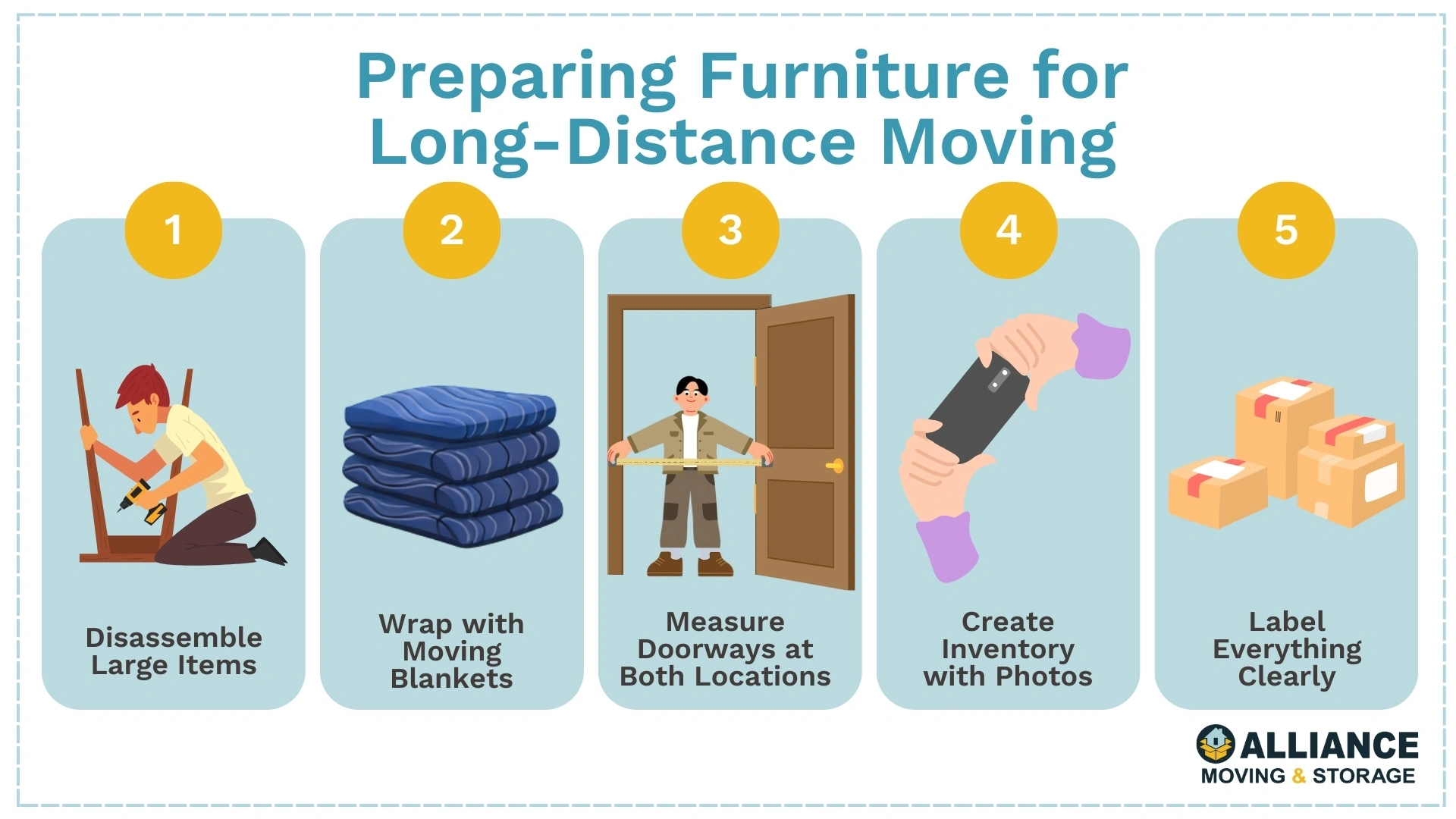
Getting furniture ready for transport prevents damage and makes loading much smoother. Taking time to prepare properly saves you from discovering scratches, broken pieces, or missing hardware at your destination.
Disassemble Large Items
Taking apart furniture reduces the space it occupies in the truck and prevents damage during transit. Remove legs from tables, break down bed frames, and separate sectional sofas into individual pieces.
Keep all hardware organized: Put screws, bolts, and small parts in labeled plastic bags. Tape these bags directly to the corresponding furniture piece so nothing gets lost. Take photos before disassembly to remember how pieces fit together.
Protect and Wrap Everything
Moving blankets cushion furniture against bumps and scratches during loading and transport. Wrap each piece completely, securing blankets with packing tape or stretch wrap. Use bubble wrap for glass surfaces, mirrors, and anything fragile.
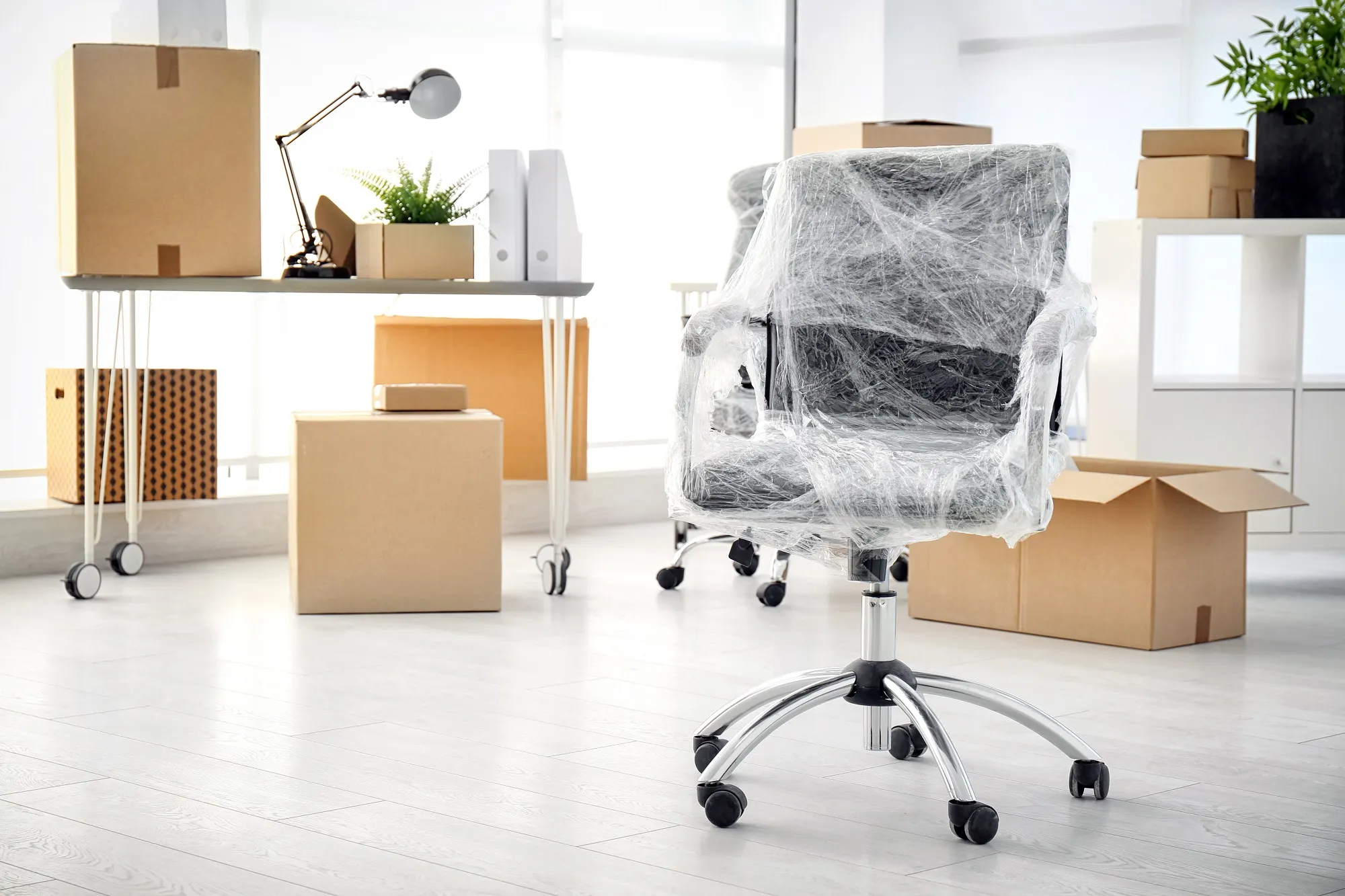
Cover upholstered furniture with plastic wrap or furniture covers to keep fabric clean. Protect corners and edges with extra padding since these areas get damaged most easily.
Measure Doorways and Furniture
Measure your furniture pieces and compare them to doorways at both your current and new home. Nothing creates more frustration than discovering a sofa won't fit through the front door.
Measure height, width, and depth of large furniture, then check door frames, hallways, and stairwells. If something won't fit through standard openings, you might need to remove doors temporarily or find alternative entry points like sliding glass doors.
Create an Inventory List
Document everything you're moving. List each furniture piece, note its condition, and take photos. This inventory helps with insurance claims if anything gets damaged and keeps you organized during unpacking.
Handling Specialty Items During Your Move
Some furniture pieces require extra attention beyond standard moving practices. These items need specific preparation or shipping methods to arrive safely at your new location.
Heavy Furniture and Appliances

Large wardrobes, entertainment centers, and major appliances present unique challenges. Their weight and size make them difficult to maneuver without proper equipment like dollies and furniture straps.
Professional movers have tools and training to handle these big pieces safely. If you're moving them yourself, recruit enough helpers and use proper lifting techniques to avoid injuries. Plan your route through the house before lifting anything heavy.
Delicate or Antique Pieces
Valuable antiques, glass furniture, or items with sentimental value need extra protection. Standard moving blankets might not provide enough cushioning for pieces that can't be replaced. Consider custom crating for extremely valuable pieces. Crating builds a wooden box around the item for maximum protection during transport.
Pianos and Musical Instruments
Pianos demand specialized moving equipment and expertise. Their weight, shape, and delicate internal mechanisms make them one of the most challenging items to transport across country. Hire professionals experienced in piano moving rather than attempting this yourself. The risk of injury or damage is too high for DIY moving.
Smart Strategies to Save Money on Your Move
Moving furniture to another state doesn’t have to be expensive. A few smart choices can cut moving costs without risking your belongings.
- Declutter before you pack: Sell or donate unused items to reduce what you need to move. That old couch? Let it go. The less you transport, the cheaper it gets.
- Compare multiple quotes: Get at least three detailed quotes from different movers. Prices can vary a lot. Look for hidden fees so you're comparing total costs, not just base rates.
- Pack your own belongings: Skip professional packing to save hundreds. Pack early and use free boxes from stores. Let movers handle only the big stuff.
- Consider partial DIY options: Hire help for heavy lifting but drive a rental truck yourself. This hybrid method saves more than full-service movers but is easier than doing it all alone.
- Choose off-peak timing: Move in winter or mid-month to avoid high demand. Skipping summer weekends and month-ends can save you a lot.
Combining two or three of these methods often gives the best balance of savings and convenience for long-distance moves.
Making Your Interstate Furniture Move Successful
Planning an interstate furniture move requires balancing cost, convenience, and logistics. The right approach depends on your budget, timeline, and how much physical work you can handle. Full-service movers offer the easiest experience but come with higher costs, while DIY options save money if you're willing to do the heavy lifting.
Alliance Moving & Storage has helped Chicago-area families and businesses with long-distance moves for over 20 years. Our Chicago moving company handles packing, loading, and transporting your furniture across state lines. Whether you're moving from Chicago or Rolling Meadows to anywhere in the U.S., we tailor our services to fit your needs and budget. Contact us today for a free interstate moving estimate.



.jpg)